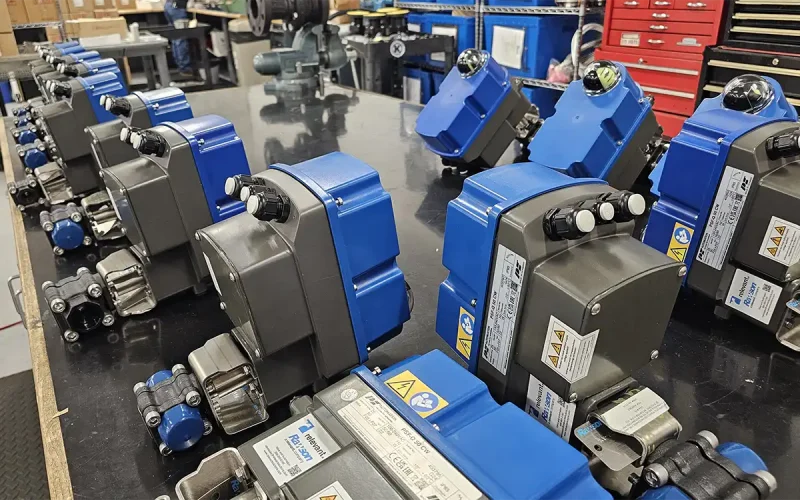
High-performance CNG assemblies matter because compressed natural gas refueling infrastructure depends on safe, leak-resistant, high-pressure fluid connections that can handle pressure cycling, static dissipation, outdoor exposure, and strict compliance requirements. For fleet operators, municipalities, facility construction firms, and industrial energy teams, the right CNG hose assemblies help protect uptime, reduce leak risk, support virtual pipeline operations, and extend the service life of clean energy fueling systems.
Are you trusting the backbone of your clean energy infrastructure to standard industrial components, or are you engineering for the unique demands of compressed natural gas?
The transition to alternative fuels is accelerating across the industrial landscape. As fleet operators and municipalities move away from diesel to reduce emissions, the demand for reliable compressed natural gas (CNG) refueling infrastructure is surging. The global CNG refueling station market is projected to reach $11.12 billion by 2033, driven by the expansion of heavy-duty transportation networks and the push for sustainable operations. However, building a CNG station or virtual pipeline requires specialized fluid handling expertise, as standard components often fail under the extreme pressures of natural gas compression.
In fact, market research estimates the global CNG refueling stations market at USD 5.28 billion in 2024 and projects USD 11.12 billion by 2033, while the Alternative Fuels Data Center lists 3,600 psi as the typical industry standard for CNG fueling system pressure. CNG refueling station market source | AFDC CNG fueling pressure source
An American Institute of Chemical Engineers case study on compressed natural gas safety highlights the consequences of improper high-pressure fuel connection assembly. The investigation reviewed an explosion and fire inside a vehicle assembly facility, where compressed natural gas was released from a commercial vehicle parked in a bake room. Five employees were injured, and the building sustained significant damage.

A commercial CNG refueling station serving a fleet of compressed natural gas vehicles. The growing demand for clean energy infrastructure is driving investment in purpose-built refueling systems.)
The study concluded that a defectively assembled hose end failed catastrophically, causing the initial gas release, deflagration, and sustained fire. The findings reinforce the importance of properly specified compressed natural gas components, verified assembly practices, inspection procedures, and risk assessments for facilities working with high-pressure alternative fuel systems.
What Are CNG Assemblies?
CNG assemblies are specialized fluid connector systems designed exclusively for the safe transfer, storage, and dispensing of compressed natural gas. Unlike standard hydraulic or pneumatic lines, these assemblies must handle working pressures up to 5,000 psi while remaining electrically conductive to dissipate static charge buildup.
A complete CNG assembly typically consists of high-pressure hoses (such as the Parker Parflex 5CNG series), zero-clearance fittings (like Parker Seal-Lok O-Ring Face Seals), quick-disconnect couplings, and dispensing nozzles. These components are critical for everything from on-vehicle fuel systems to the massive tube trailers used in virtual pipeline networks. When a facility construction company builds a new refueling depot, the integrity of these assemblies determines the safety, efficiency, and longevity of the entire station.
Here at Relevant Solutions, we supports these applications through custom CNG hose assemblies engineered for demanding alternative fuel systems.
High-pressure CNG dispensing hose assemblies require specialized construction, including spiral wrapping and protective covering, to withstand the rigorous demands of fleet refueling stations.
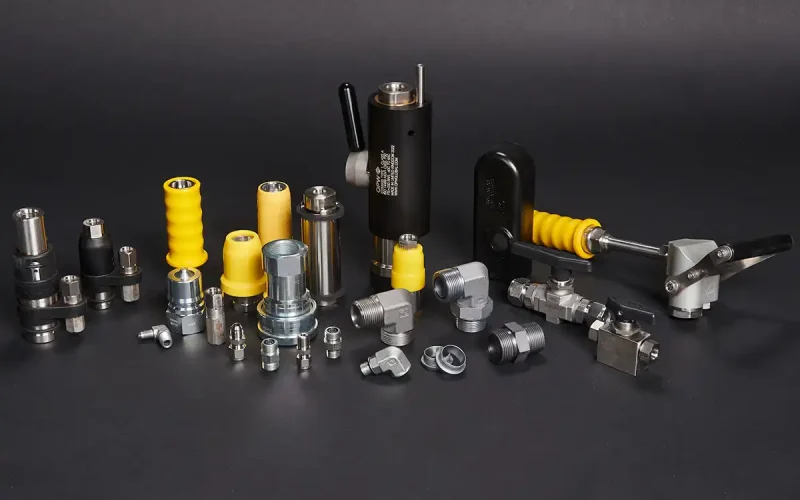
(A comprehensive range of CNG fittings, couplings, adapters, and nozzle receptacles engineered for high-pressure compressed natural gas applications. Each component is designed to provide leak-free connections at pressures up to 5,000 psi.)
How CNG Refueling Infrastructure Works
The process of moving compressed natural gas from a source to a vehicle requires a carefully engineered sequence of high-pressure transfers.
1. Compression And Storage
Pipeline natural gas is drawn into a compressor station where it is pressurized to approximately 3,600 to 5,000 psi, then stored in high-pressure cascade vessels or loaded onto tube trailers for virtual pipeline distribution.
CNG tube trailers enable virtual pipeline distribution, transporting compressed natural gas to facilities without direct pipeline access.
2. Routing And Pressure Regulation
The highly pressurized gas is routed from the storage vessels through a network of stainless steel tubing, high-pressure hose assemblies, and specialized valves that regulate the flow rate and reduce the pressure to safe dispensing levels.
This stage is where improperly specified components often become a risk. Pressure pulses, vibration, and repeated connection cycles can expose weak points in standard industrial assemblies. Purpose-built CNG hose assemblies reduce that risk by combining conductive hose construction, reinforced materials, and CNG-rated end connections.
A custom-built CNG dispensing hose assembly featuring spiral-wrapped protective covering, high-pressure fittings, and a yellow CNG nozzle connector. These assemblies are engineered to withstand the rigorous demands of daily fleet refueling.
3. Vehicle Dispensing
The gas travels through a flexible, electrically conductive dispensing hose assembly, passing through a breakaway coupling and a specialized CNG nozzle that locks onto the vehicle’s receptacle to deliver the fuel safely.
For high-volume fleet stations, this final transfer point receives constant use. The hose must remain flexible enough for operators to handle safely, but durable enough to resist abrasion, environmental exposure, and repeated pressure cycling.
A heavy-duty truck refueling with renewable natural gas at a CNG dispensing station. Purpose-built hose assemblies ensure safe, leak-free fuel transfer at high pressures.
Why Specialized CNG Components Matter For Your Facility
The design and construction of alternative fuel infrastructure leave no room for error. Utilizing purpose-built CNG assemblies provides several critical business impacts.
| CNG Infrastructure Need | Why It Matters | Component Impact |
|---|---|---|
| Leak control | High-pressure gas leaks can create safety and compliance concerns | CNG-rated fittings and face seals help maintain secure connections |
| Static dissipation | Fuel transfer can generate static buildup | Electrically conductive hose construction helps dissipate charge |
| Pressure cycling resistance | Daily fueling creates repeated pressure changes | Reinforced hose construction supports long-term durability |
| Virtual pipeline support | Tube trailers require reliable loading and unloading | Custom transfer assemblies improve uptime and handling |
| Compliance readiness | Fueling stations must meet applicable safety codes | Certified components help support inspection and operational requirements |
Elimination Of Leak Paths
Support For Virtual Pipelines
A Parker Parflex CNG hose assembly with quick-disconnect couplings, designed for high-pressure natural gas transfer in refueling station and virtual pipeline applications.
Regulatory Compliance And Safety
Purpose-built CNG components are rigorously tested and certified to meet stringent national and international standards (including CSA, NFPA, and NGV), ensuring that your facility passes inspection and operates safely.
NFPA 52 provides requirements intended to help mitigate fire and explosion hazards associated with CNG and LNG engine fuel systems and fueling facilities.
Reduced Operational Downtime
By utilizing hoses with durable polyurethane covers and reinforced construction, facilities minimize the risk of abrasion and blowout, ensuring that refueling stations remain operational for high-demand fleets.
A large-scale fleet refueling depot equipped with multiple CNG dispensing posts. Each post features custom hose assemblies, breakaway couplings, and filtration systems to support high-volume daily refueling operations.
Ready To Build Safer CNG Refueling Infrastructure?
Both standard industrial hoses and purpose-built CNG assemblies may appear similar at first glance, but they are designed for very different operating environments. Standard components may work in conventional fluid transfer applications, while CNG assemblies are engineered for high-pressure compressed natural gas, static dissipation, outdoor fueling conditions, and stringent safety expectations.
At Relevant Solutions, we’ve supplied and supported industrial fluid connector systems for decades. Many customers appreciate the reliability of purpose-built CNG hose assemblies in fleet fueling, tube trailer transfer, and alternative fuel infrastructure projects. Whether you’re building a new refueling station, expanding a virtual pipeline network, or upgrading an existing facility, our specialists can help you evaluate your application and select components designed for safe, long-term performance.
Contact our team at Relevant Solutions today to discuss how our custom CNG hose assemblies and engineered fluid connectors can ensure the safety and reliability of your clean energy infrastructure.
Frequently Asked Questions (FAQs)
What Is A CNG Assembly?
Why Can’t Standard Hydraulic Hoses be Used for CNG Refueling?
Standard hydraulic hoses are not designed for the same gas compatibility, static dissipation, pressure cycling, low-permeation performance, and certification requirements found in compressed natural gas fueling systems. Even if the pressure rating appears similar, the hose construction may not be appropriate for high-pressure compressed natural gas service. Hoses not designed for compressed natural gas can allow excessive gas permeation through the hose wall over time, which may contribute to fuel loss, odor, emissions concerns, and safety risk. Purpose-built compressed natural gas hose assemblies are engineered with materials and construction that limit permeation while supporting reliable, high-pressure fueling performance.
What Pressure Do CNG Refueling Systems Typically Use?
Many CNG refueling systems operate in high-pressure ranges, with the original draft noting approximately 3,600 to 5,000 psi for compression and storage. Final pressure requirements should always be confirmed against the station design, applicable codes, and component manufacturer specifications.
What Components Are Typically Included in A CNG Dispensing Hose Assembly?
A CNG dispensing hose assembly typically includes a high-pressure conductive hose, CNG-rated end fittings, protective covering, a breakaway coupling, and a CNG dispensing nozzle. The exact configuration depends on the station design and vehicle fueling requirements.
How Do CNG Hose Assemblies Support Virtual Pipeline Systems?
CNG hose assemblies support virtual pipeline systems by enabling safe loading and unloading of tube trailers. These trailers transport compressed natural gas to locations without direct pipeline access, making reliable transfer assemblies essential for uptime and safe operation.
Who Should Specify CNG Hose Assemblies for a New Refueling Station?
CNG hose assemblies should be specified by teams familiar with alternative fuel infrastructure, applicable codes, and high-pressure gas transfer. Engineering, construction, maintenance, and procurement teams should work with a qualified supplier to confirm pressure ratings, fittings, certifications, and application requirements before installation.